In recent years, environmental protection has become a top priority for industries worldwide. Increasing pollution, water scarcity, and stricter environmental regulations have pushed companies toward sustainable engineering solutions. In this context, the geomembrane has emerged as one of the most effective systems for protecting the environment.
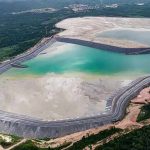
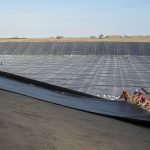
A geomembrane is an impermeable polymer liner designed to prevent the leakage of liquids and hazardous substances into soil and groundwater. Today, geomembranes are widely used as a reliable environmental protection solution across multiple industries.
The direct link between geomembrane and environment protection lies in contamination control. In projects such as:
Without proper lining systems, toxic substances can seep into soil and groundwater. A geomembrane acts as a barrier, preventing leakage and protecting surrounding ecosystems.
This makes geomembranes essential for environmentally responsible projects.
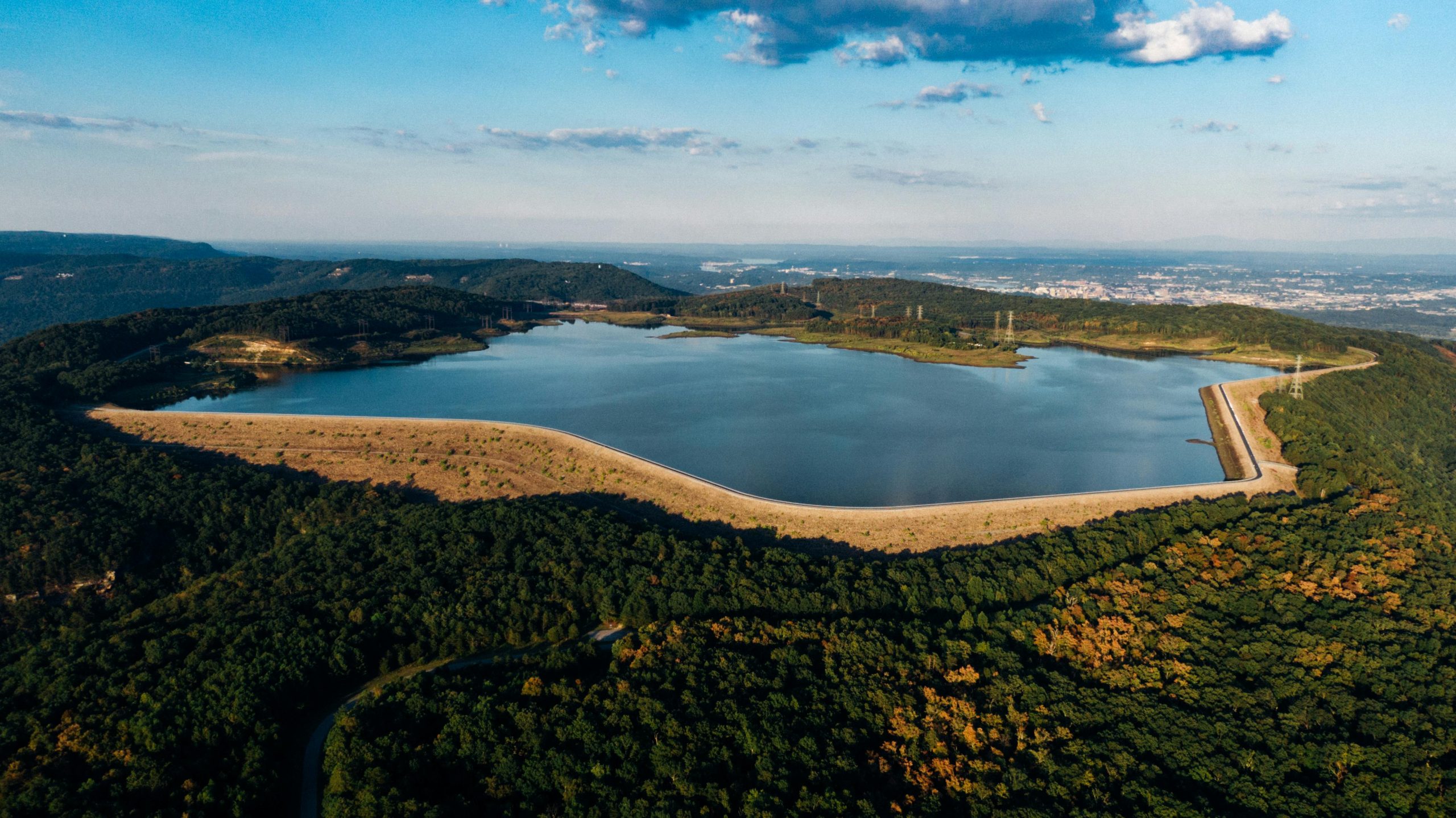
Water scarcity is one of the most serious environmental challenges globally. A geomembrane helps reduce water loss by preventing seepage into the ground.
Common applications include:
By improving water efficiency, geomembranes contribute directly to environmental sustainability.
Another reason geomembrane systems are vital for the environment is their durability. They are typically manufactured from materials such as HDPE, LLDPE, PVC, and polypropylene, offering resistance to:
Their long lifespan reduces failure risks and minimizes environmental damage over time.
Industries today must comply with strict environmental laws. In sectors such as mining, oil and gas, construction, and waste management, geomembranes are often required to control pollution risks.
Using a geomembrane helps companies:
Geomembranes are not just technical materials; they are strategic tools for environmental risk management.
Industrial and construction activities can cause soil erosion and land degradation. A geomembrane layer enhances soil stability and prevents unwanted water infiltration.
This is especially important in areas with heavy rainfall or unstable soil conditions, where environmental protection is critical.
Although geomembrane installation requires initial investment, it significantly reduces long-term costs related to environmental cleanup, legal liabilities, and structural damage.
For companies committed to sustainable development, geomembranes provide an environmentally and economically sound solution.
The relationship between geomembrane and environment protection is clear and essential. By preventing contamination, conserving water, stabilizing soil, and supporting regulatory compliance, geomembranes play a crucial role in sustainable industrial development.
As environmental protection becomes a global priority, geomembranes remain one of the most reliable and effective solutions available.