• Unit 1203, No. 38, 12th floor, Hamila commercial office tower Hamila boulevard, Pounk, Tehran, Iran

Applications of Geomembrane in Fish Farming Ponds: From Aquaculture to Aquatic Plants

Applications of Geomembrane in Fish Farming Ponds: From Aquaculture to Aquatic Plants

Applications of Geomembrane in Fish Farming Ponds:
From Aquaculture to Aquatic Plants

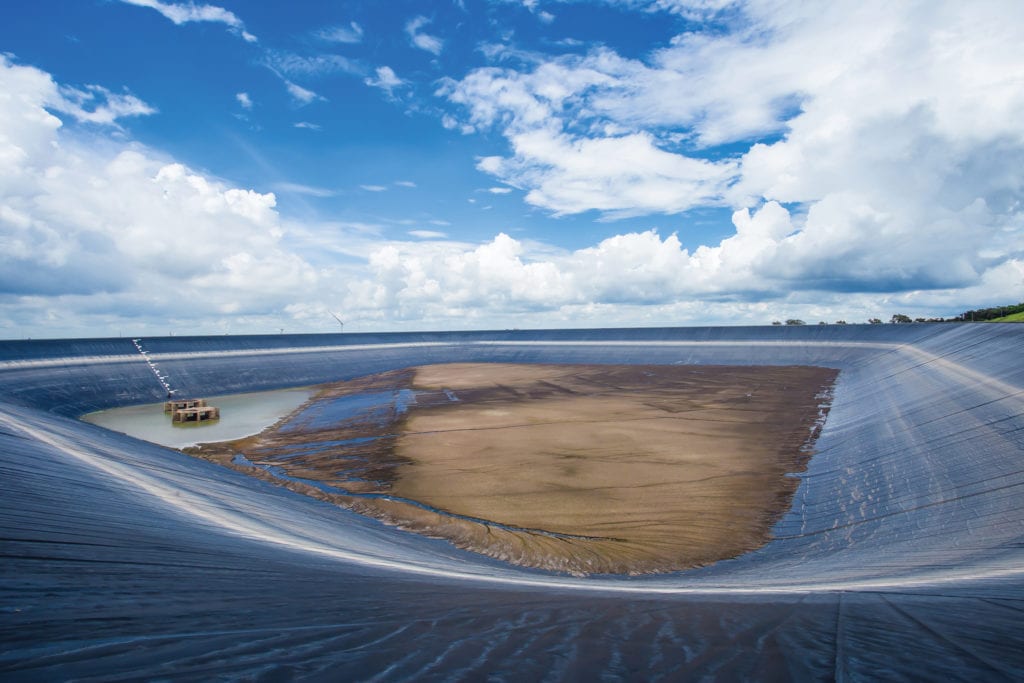
 A fish farming pond lined with geomembrane provides a highly efficient and sustainable solution for modern aquaculture. These ponds help manage water more effectively, reduce leakage, and support environmental conservation. In this article, we explore how geomembrane enhances various aquaculture applications—from raising fish to cultivating aquatic plants.

1. Freshwater and Marine Aquaculture in Fish Farming Ponds

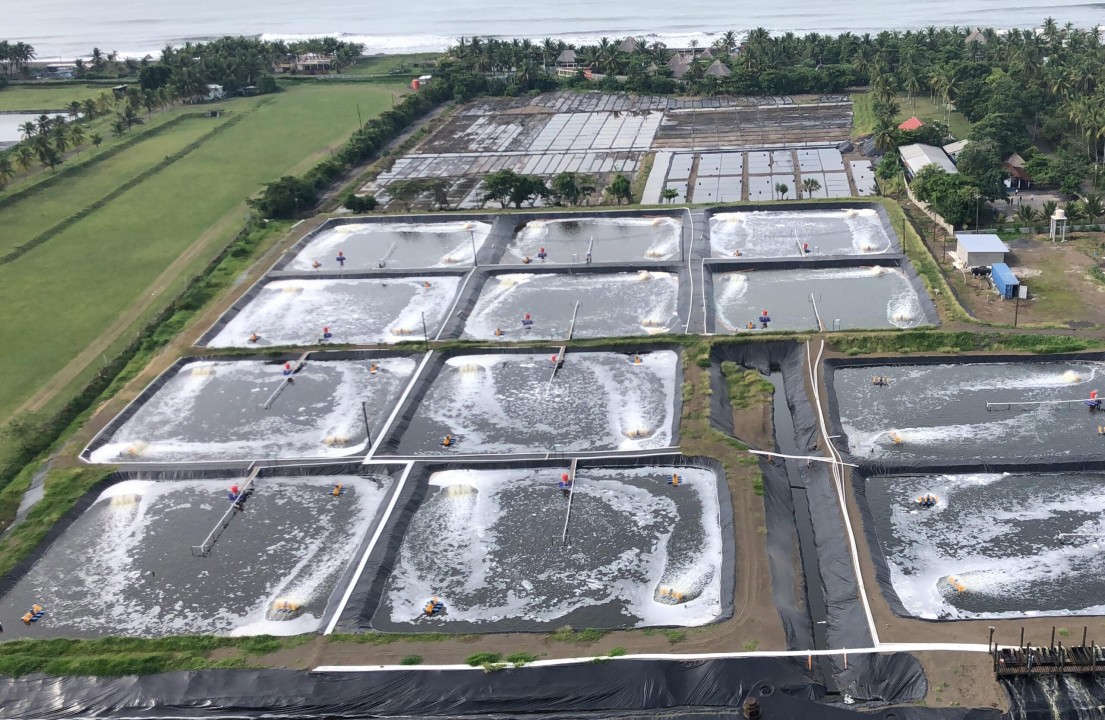
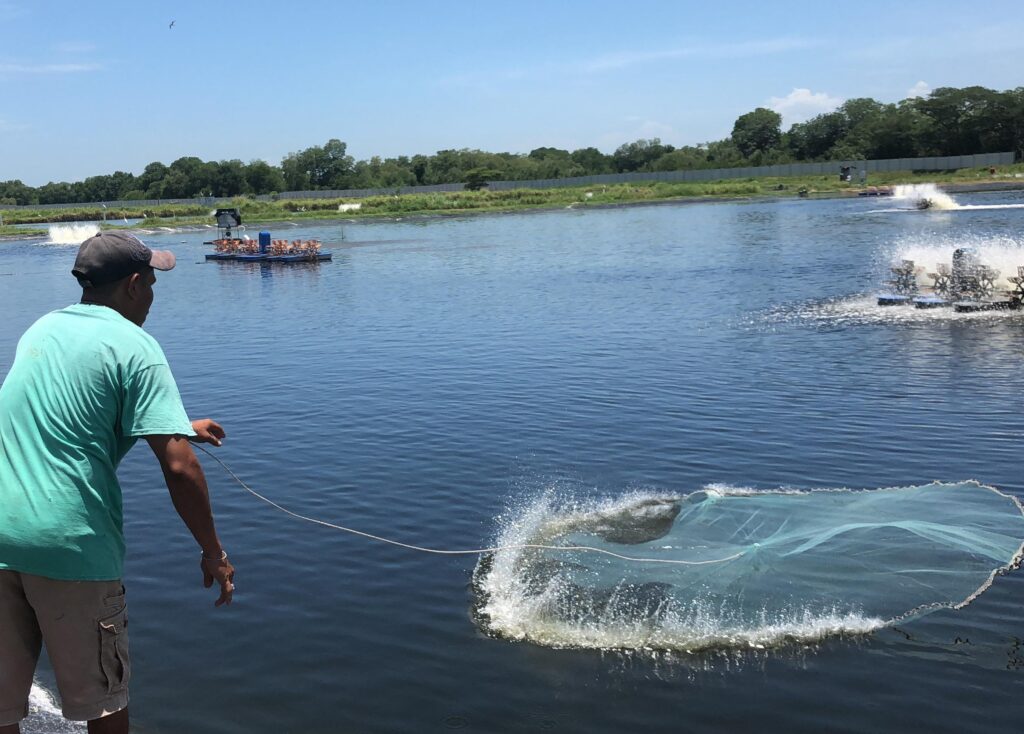
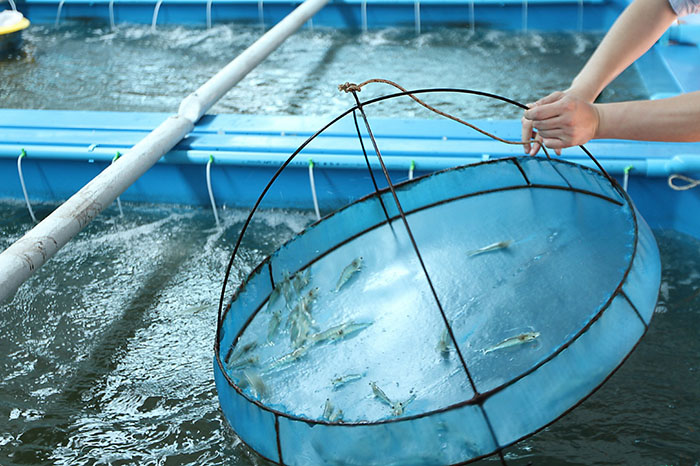
Geomembranes are ideal liners for fish farming ponds used in both freshwater and marine environments. Whether you’re raising carp, trout, grass carp, or marine species like sea bass and eel, geomembranes ensure minimal water loss and maintain optimal water quality—both critical for healthy fish growth. These liners prevent contamination, offer a controlled ecosystem, and reduce the risk of waterborne diseases.

2. Leak-Proof Fish Farming Pond Construction

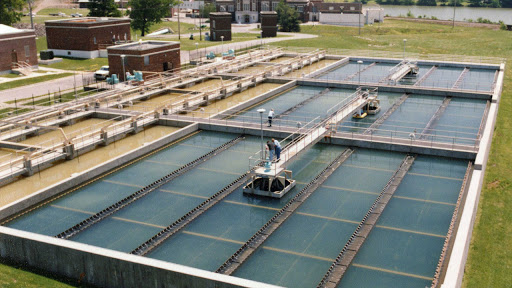
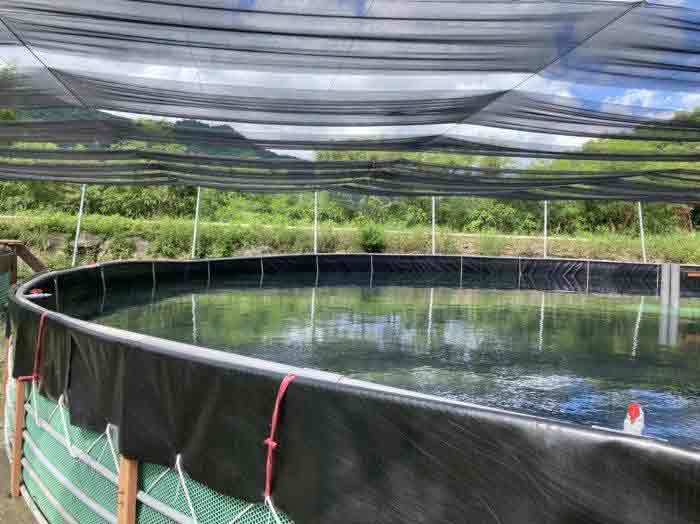
In fish farming, the integrity of the pond is essential. Geomembranes act as impermeable liners, preventing water from seeping into the ground. Whether building ponds in natural basins, reservoirs, or artificial tanks, geomembranes create stable, long-lasting fish farming ponds with excellent water retention.

3. Aquatic Plant Cultivation in Fish Farming Ponds

Beyond fish, geomembranes are also ideal for cultivating aquatic plants such as water lilies, lotus, and edible aquatic vegetables. A geomembrane-lined fish farming pond retains nutrients and water effectively, creating a stable growing environment that enhances plant health and productivity.

4. Recreational and Fishing Ponds

Fish farming ponds can also be adapted for recreational purposes. Geomembrane-lined fishing ponds provide a clean and environmentally controlled space that improves the fishing experience while preventing pollution and preserving water quality.

5. Research and Experimental Fish Farming Ponds

In aquaculture research centers, maintaining precise water conditions is essential. Geomembrane-lined fish farming ponds support experimental studies by offering consistent, controllable environments necessary for collecting reliable data and performing scientific tests.


Geomembrane vs. Geotextile in Fish Farming Pond Construction

When constructing a fish farming pond, choosing between geomembrane and geotextile—or using both—depends on the project’s specific needs.

  • Geomembrane: Primarily used as a waterproof liner to prevent water seepage and protect water resources in fish farming ponds.
  • Geotextile: Known for its strength and filtration properties, geotextile is often used for soil reinforcement, erosion control, and underlay support in pond construction.

In many cases, a fish farming pond may only require a geomembrane if the soil is stable and the primary concern is water retention. However, if the area is prone to erosion or soil instability, using geotextile beneath or alongside the geomembrane can increase durability and performance.


Environmental Benefits of Geomembrane in Fish Farming Ponds

Using geomembranes in fish farming ponds offers several ecological advantages:

  • Water Conservation: Prevents unnecessary water loss due to seepage and evaporation.
  • Groundwater Protection: Reduces the risk of contamination by isolating the pond water from surrounding soil and water tables.
  • Efficient Waste Management: Enables better control over fish waste and nutrients, supporting cleaner water conditions.
  • Soil Preservation: Minimizes erosion and sediment runoff, helping maintain the surrounding landscape.
Post a comment

Your email address will not be published.