Proposal assessment guide | For industrial procurement, contractors and project owners
Final geomembrane proposal prices are comparable only when product specifications, quantities and service scopes are the same. One quotation may cover sheet supply alone while another includes transport, installation and testing. This guide offers a suggested method for putting proposals on a common basis, so purchasing decisions rely on clear, traceable items.
Prepare approved drawings and specifications, estimated quantities, delivery location and schedule before requesting prices. If specifications are not final, ask suppliers to list their assumptions separately. Separate alternatives from the offer that complies with the original request, so a price reduction caused by changing the product is not mistaken for a commercial discount.
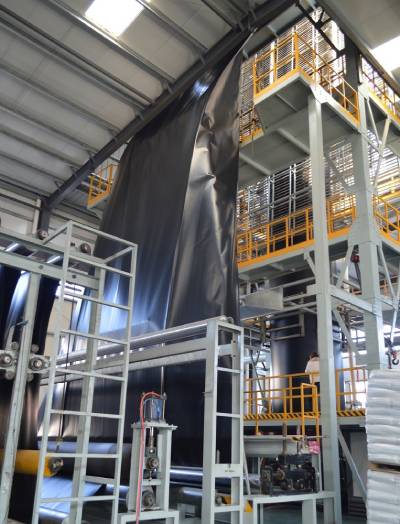
Create a compliance matrix and mark each requirement as compliant, requiring clarification or a deviation. Match nominal product specifications to the data sheet and relevant test records. A general certificate alone does not establish the exact specifications of the proposed shipment; ask how records relate to the product and how it is traced. The project’s responsible technical specialist must approve any proposed change.
| Criterion | Question for the supplier |
|---|---|
| Product specifications | Do type, thickness and surface match the request exactly? |
| Dimensions and quantities | How does full-roll quantity compare with the coverage area? |
| Documents | Which product or batch do data sheets and reports cover? |
| Technical deviations | Which requirements differ, and who approves them? |
| Traceability | How will roll numbers and shipment records be delivered? |
Use the same table for every proposal. Do not treat excluded items as zero cost: mark them as unpriced or the owner’s responsibility, and estimate or obtain their cost for comparison. A sheet price per square metre and a complete installation price per square metre are different measures. State the pricing unit, quantity and calculation basis for every line.
| Commercial item | Required information |
|---|---|
| Sheet supply | Quantity, unit, rate and product specifications |
| Transport and unloading | Origin, destination, responsibilities and unloading equipment |
| Installation and details | Measurement basis, anchorage, connections and mobilization |
| Quality control | Tests, records, repairs and retesting |
| Commercial terms | Applicable taxes, price validity and payment conditions |
Distinguish declared stock availability, delivery deadlines and installation duration. Establish which event starts the commitment period, such as order approval, payment or delivery of final drawings. For phased deliveries, record each quantity and date. Resolve any proposed costs for downtime or an unprepared site before contracting.

Ask the provider to document warranty scope, issuer, duration, exclusions, required records and claims procedure. “Full warranty” cannot be compared without a description of the obligations. Identify the installer and its handover records as well. A shared brand across several services does not automatically make their contractual responsibilities identical.
Suppose offer A has a lower sheet rate but charges separately for transport and tests, while offer B has a higher rate that includes those items. Before selecting, convert both to the total cost of the required items with identical specifications. If technical specifications differ, obtain the responsible specialist’s opinion first. Then record delivery times and payment terms alongside the normalized cost.
Is the cheapest proposal always the most economical? That depends on scope and technical adequacy; first put the items and specifications on the same basis.
Does a higher price indicate better quality? Not by itself. Assess quality using specifications and verifiable records.
How should an alternative offer be handled? Record deviations separately, obtain technical approval and assess it as an independent option.
Send the drawings, project location, application and required specifications to the sales team at Polyethylene Gostaran Alborz so that a product supply proposal with a clear scope can be prepared. Project specialists are responsible for design and installation details.
Contact PEGA for consultation and a quotation
See also the pond installation cost guide. The tables are a suggested procurement framework and must be adapted to each project’s procurement procedures and technical requirements.