• Unit 1203, No. 38, 12th floor, Hamila commercial office tower Hamila boulevard, Pounk, Tehran, Iran

How HDPE Geomembranes Became the Secret to Profitable Fish Farming

How HDPE Geomembranes Became the Secret to Profitable Fish Farming

Why Choose HDPE Geomembrane for Aquaculture Projects?

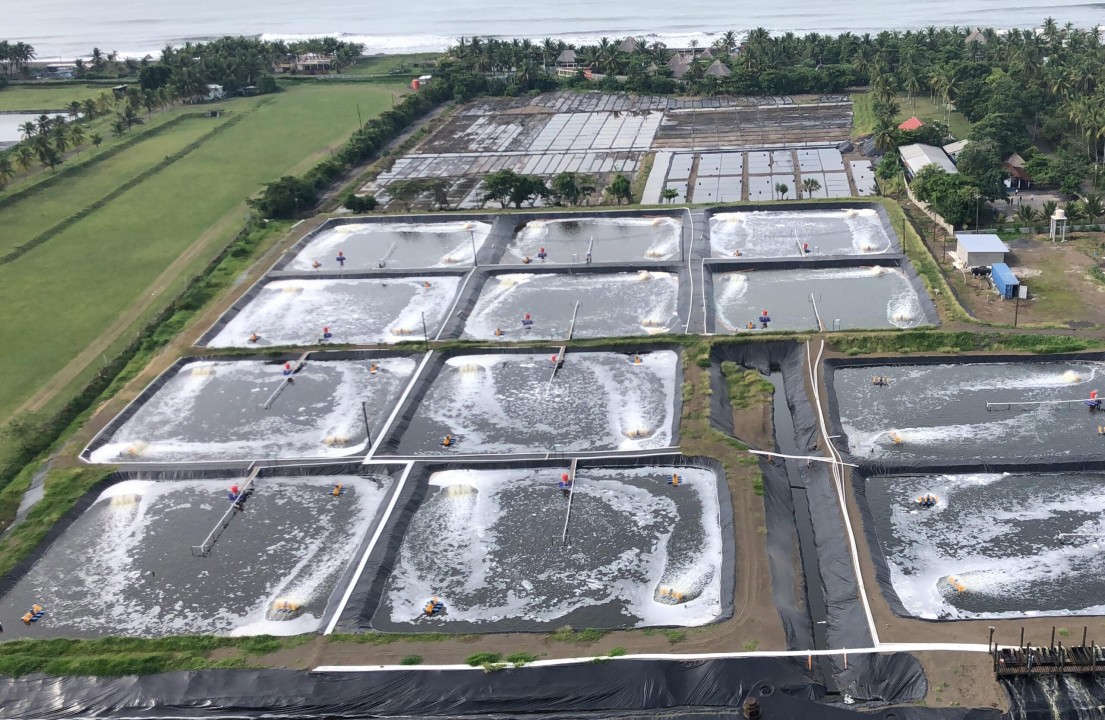
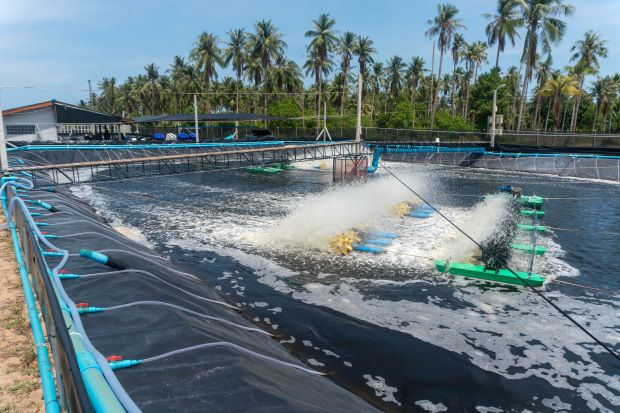
HDPE geomembranes are essential in modern aquaculture, providing long-lasting, impermeable barriers that ensure optimal water retention, environmental safety, and cost-efficiency. In 2023, the global aquaculture market hit USD 285 billion, and HDPE geomembranes now account for 70% of pond lining systems thanks to their durability, affordability, and performance under harsh environmental conditions.

PEGA HDPE geomembranes are manufactured using advanced multi-layer co-extrusion technology. Made with high-purity polyethylene resin and enhanced with UV stabilizers and 2–3% carbon black, they offer exceptional resistance to weathering, chemical degradation, and punctures. With permeability as low as 1×10⁻¹⁷ cm/s and water retention rates of 99.9%, these geomembranes are vital for sustaining high-yield aquaculture operations.

1. What Is an HDPE Geomembrane?

An HDPE geomembrane is a heavy-duty synthetic liner made from high-density polyethylene. It features excellent tensile strength (15–20 MPa) and puncture resistance (up to 3.5 kN). These geomembranes are available in uniform thicknesses from 0.3 mm to 2.0 mm, making them suitable for both small ornamental ponds and large-scale fish or shrimp farms.

Key Features:

  • Waterproofing: Retains 99.9% of water.
  • Longevity: 20–50 year lifespan with UV resistance.
  • Chemical Resistance: Withstands 90% of aquaculture-related chemical exposures.
  • Fish Safe: NSF/ANSI 61 certified.
  • Cost-Effective: $1.5–$4/m²—30% cheaper than concrete alternatives.
  • Flexible: 200–300% elongation, adaptable to any pond shape.

2. Types of PEGA HDPE Geomembranes

2.1 Smooth Geomembrane

  • Market Use: 60%
  • Thickness: 0.5–1.5 mm
  • Applications: Fish ponds (50%), shrimp farms (30%)
  • Benefits: Easy installation, algae-resistant, cost-effective.

2.2 Textured Geomembrane

  • Market Use: 30%
  • Best For: Sloped or uneven terrain
  • Thickness: 1.0–1.5 mm
  • Benefits: Enhanced grip and slope stability.

2.3 Black HDPE Geomembrane

  • Market Use: 85%
  • Thickness: 0.75–2.0 mm
  • Benefits: UV absorption improves durability by 20%.

Selection Tips:

  • Use smooth geomembranes for ponds <200 m².
  • Textured options are ideal for steep banks.
  • Black geomembranes are best in high sunlight areas.
  • Use geotextile underlayment (150–200 g/m²) to reduce damage.

3. HDPE Geomembrane Specifications

  • Composition: High-density polyethylene, carbon black, UV additives.
  • Tensile Strength: 15–20 MPa
  • Puncture Resistance: Up to 3.5 kN
  • Elongation: 200–300%
  • Roll Size: Up to 10 m wide, 150 m long
  • Underlayment (Geotextile):
  • Material: Polypropylene or polyester
  • Weight: 150–200 g/m²
  • Benefit: Reduces puncture risk by 99%

Performance:

  • 99.9% water retention
  • Installs 2–3× faster than concrete
  • Withstands extreme temperatures (-70°C to 110°C)

4. Functions in Aquaculture

  • Seepage Control: Prevents up to 95% of water loss
  • Water Quality: Blocks pollutants like ammonia and heavy metals
  • Soil Stability: Prevents erosion and ground shifts
  • Eco-Safety: Meets EPA standards for environmental protection

Final Thoughts

PEGA HDPE geomembranes have become the preferred solution for aquaculture due to their unmatched strength, low maintenance, and long-term cost savings. With 70% of the pond-lining market share, they deliver superior performance in diverse applications—from backyard koi ponds to industrial shrimp farms. Certified safe for aquatic life and resistant to extreme environments, PEGA geomembranes help fish farmers and engineers build more efficient, profitable, and sustainable aquaculture systems.

Source

Post a comment

Your email address will not be published.