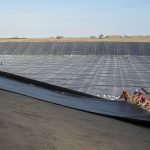
Shrimp farming has emerged as one of the most significant branches of aquaculture around the world. The efficiency, sustainability, and hygiene of a shrimp pond play a major role in the success of any shrimp farming operation. In recent years, geomembrane ponds have transformed this industry by offering a reliable alternative to traditional earthen ponds. HDPE geomembranes act as impermeable, durable liners that enhance production while minimizing environmental impact.
In this guide, we will explore the four main types of shrimp ponds, their characteristics, and how geomembrane pond technology improves aquaculture outcomes.
Extensive or traditional ponds are widely used due to their simplicity and low maintenance. These shrimp ponds typically have low stocking density, which translates to lower yield but also reduces the risk of disease outbreaks when healthy larvae are used.
Using a geomembrane pond liner in these systems helps prevent water seepage, improves water clarity, and reduces erosion of pond banks.
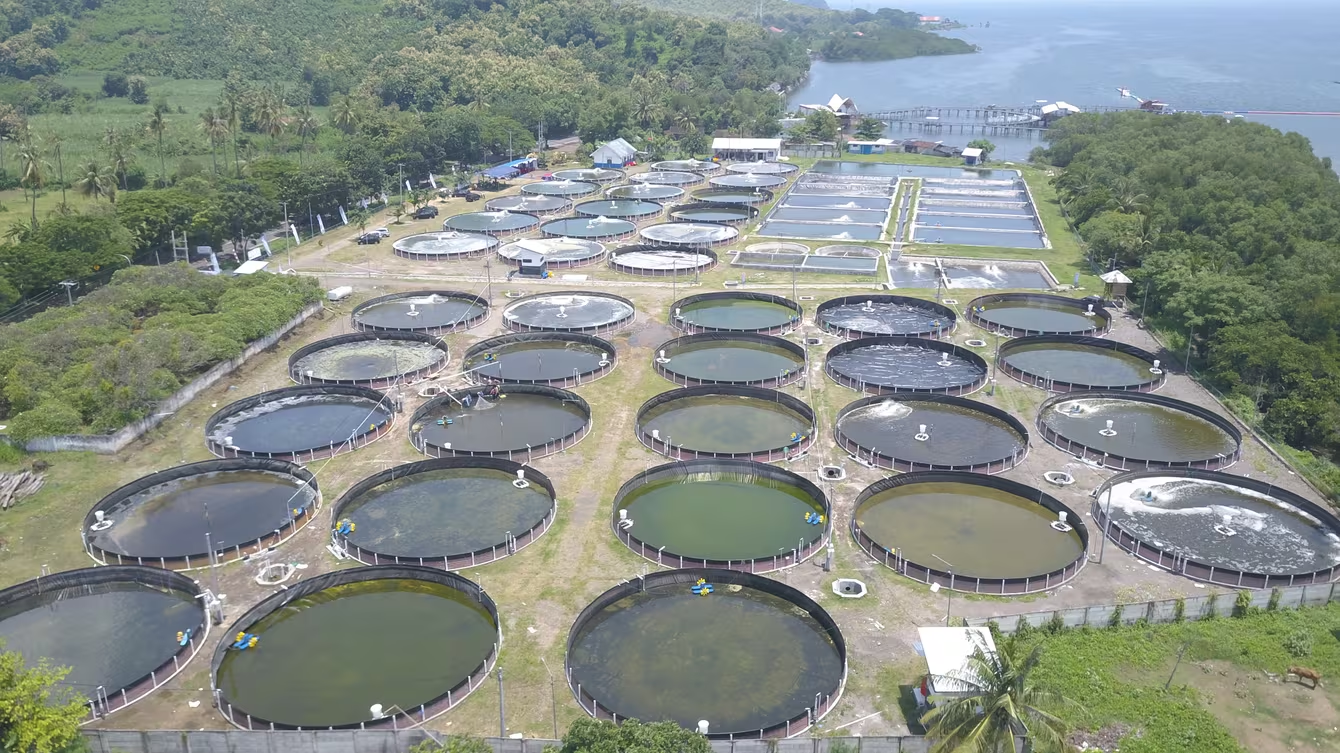
Semi-intensive systems are commonly used in countries like Indonesia. These shrimp ponds offer higher productivity while keeping the environmental footprint relatively low. The moderate stocking density allows for easier waste management and better water quality control.
By following government-certified Good Aquaculture Practices (CBIB) and using geomembrane pond liners, farmers can ensure cleaner, more controlled growing conditions.
3. Intensive Shrimp Ponds – Enhanced by HDPE Geomembranes
Intensive shrimp ponds operate at much higher densities. While this approach boosts production, it also demands better water and waste management to avoid environmental degradation.
Stocking Density: 100 to 300 shrimp per square meter
Production Yield: 10 to 30 tons per hectare per year
Key Features:
These ponds are typically deeper (over 1 meter) to accommodate more shrimp.
HDPE geomembrane pond liners are used to reduce soil erosion and ensure a more stable pond structure.
Due to the high biomass, waste like uneaten feed, shrimp feces, and molting residues (containing ammonia and hydrogen sulfide) must be managed carefully.
Modern farms use water treatment agents like AQUA-Cal+ to control toxicity and reduce odor, minimizing the need for frequent pond bottom cleaning.
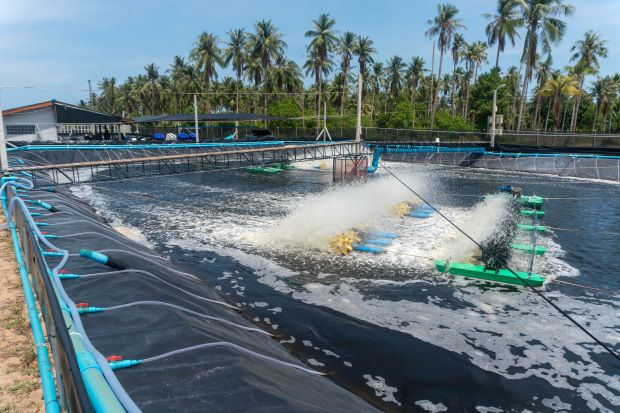
For maximum efficiency, super-intensive shrimp pond systems are lined entirely with geomembrane and supported by advanced infrastructure.
Geomembrane ponds in this setup dramatically reduce water exchange needs and help maintain consistent water quality, making them indispensable for high-density operations.
Using geomembrane pond liners provides multiple advantages:
✅ Reduced water consumption and leakage
✅ Improved shrimp health and lower mortality rates
✅ Enhanced water quality control
✅ Minimized environmental contamination
✅ Increased land-use efficiency, especially in limited farming areas
✅ Reduced exposure to soil-borne diseases
Whether you are upgrading an existing shrimp pond or designing a new facility, integrating HDPE geomembrane liners is a cost-effective way to boost performance and sustainability.